
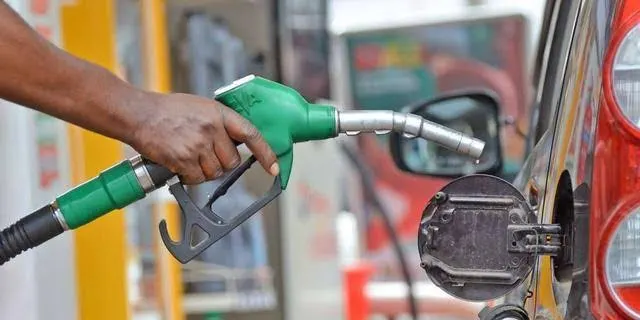
Nigeria’s expectation of cheaper petrol has been put on hold again after Iran swiftly shut the Strait of Hormuz, reversing the brief relief that had sparked optimism across the market.
The strategic oil route was reopened on Friday after a ceasefire between Iran and the United States. But within a day, it was shut again, with Iran blaming continued restrictions on its ports.
The Strait of Hormuz carries about 20 percent of global oil supply. Any disruption there quickly affects crude prices and, in turn, petrol costs in Nigeria.
Fuel marketers had earlier projected a drop from around N1,250 to about N900 per litre if the reopening held. But that outlook has now collapsed.

Industry spokesperson Joseph Obele confirmed on Sunday that the renewed closure has stalled any immediate price reduction. He said prices will likely remain unchanged until a lasting agreement is reached.
Meanwhile, former U.S. President Donald Trump accused Iran of violating the ceasefire and warned of possible strikes if tensions escalate.
For now, the promise of cheaper fuel drifts further away—held hostage by a narrow stretch of water and a fragile peace.
