
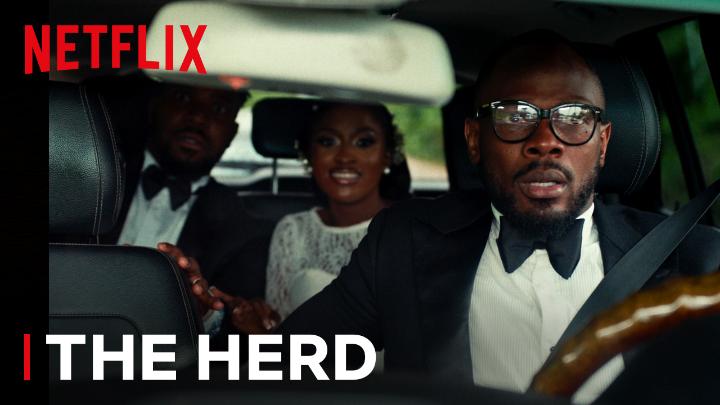
A wave of contention has rolled across Nigeria’s entertainment scene with the arrival of The Herd on Netflix, transforming Daniel Etim-Effiong’s much-anticipated directorial debut into one of the country’s most polarizing cultural moments.
The film, which premiered in cinemas on October 17 before landing on Netflix on Friday, November 17, 2025, has already surpassed 30 million views. Yet the same movie drawing global attention is the one some Nigerians want taken down entirely.
The Herd follows ordinary Nigerians navigating a nation shadowed by relentless kidnappings. Its exploration of violent attacks linked to bandits and Fulani herdsmen has stirred anger among segments of the Northern and Muslim communities, who argue the portrayal is unfair and could deepen longstanding stereotypes.
The backlash intensified on X (formerly Twitter), where some users urged Nigerians to delete Netflix in protest. But many others defended the film as a stark reflection of real events, insisting that cinema must confront uncomfortable truths, especially those the country has long avoided.
Former presidential aide @BashirAhmaad joined the debate, arguing that the movie risks profiling an already troubled region. He wrote:
“The reason why some Arewa people are angry about The Herd movie is not because we are denying the reality of banditry, far from it. It is about the dangerous consequences of profiling an entire ethnic group and region that has already suffered immensely from years of insecurity. I watched the teaser on @NetflixNaija and even though I haven’t watched the full movie yet, the one clear problem that stands out is stereotyping…”
As conversations continue to swell, The Herd has evolved beyond entertainment—becoming a national flashpoint on the delicate balance between artistic expression and collective identity.
