

The BBC is set to issue a public apology on Monday following outrage over a Panorama documentary accused of misleadingly editing a speech by U.S. President Donald Trump to imply he directly instigated the January 6 Capitol riot.
The controversy triggered the dramatic resignations of Director-General Tim Davie and BBC News CEO Deborah Turness on Sunday, amid accusations of editorial manipulation and institutional bias. BBC Chair Samir Shah described the developments as “a sad day for the BBC” and is scheduled to appear before Parliament’s Culture, Media and Sport Committee to address the issue.
The state-funded broadcaster, already under scrutiny for perceived bias in its reporting including coverage of the Gaza conflict, has found itself in one of its deepest crises in years.
Trump, celebrating the resignations, branded BBC journalists “corrupt” and “dishonest.” In her resignation note, Turness dismissed claims that BBC News is “institutionally biased,” calling them unfounded.
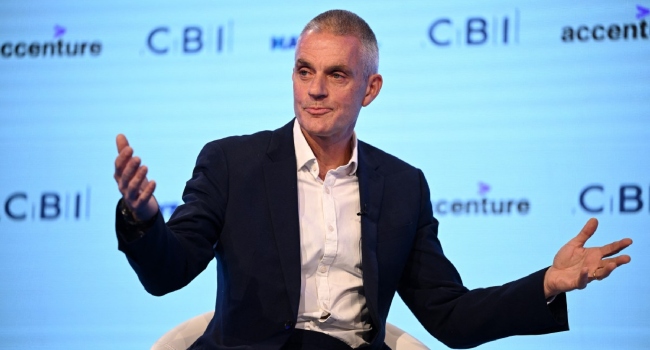
The leadership shake-up coincides with the UK government’s upcoming review of the BBC’s Royal Charter, which defines its governance and mission. The current charter expires in 2027, and Davie expressed hope that his successor will “positively shape” the next version to secure sustainable funding and restore public trust.
Culture Secretary Lisa Nandy, who previously described the allegations as “incredibly serious,” said the government’s review would ensure the BBC “adapts to this new era.”
Reaction across Britain has been sharply divided. Conservative leader Kemi Badenoch hailed the resignations as overdue after “a catalogue of serious failures,” while former Prime Minister Boris Johnson threatened to stop paying his licence fee. Conversely, Liberal Democrat leader Ed Davey urged Prime Minister Keir Starmer to resist U.S. interference.
“It’s easy to see why Trump wants to destroy the world’s number one news source,” Davey said. “We can’t let him.”
